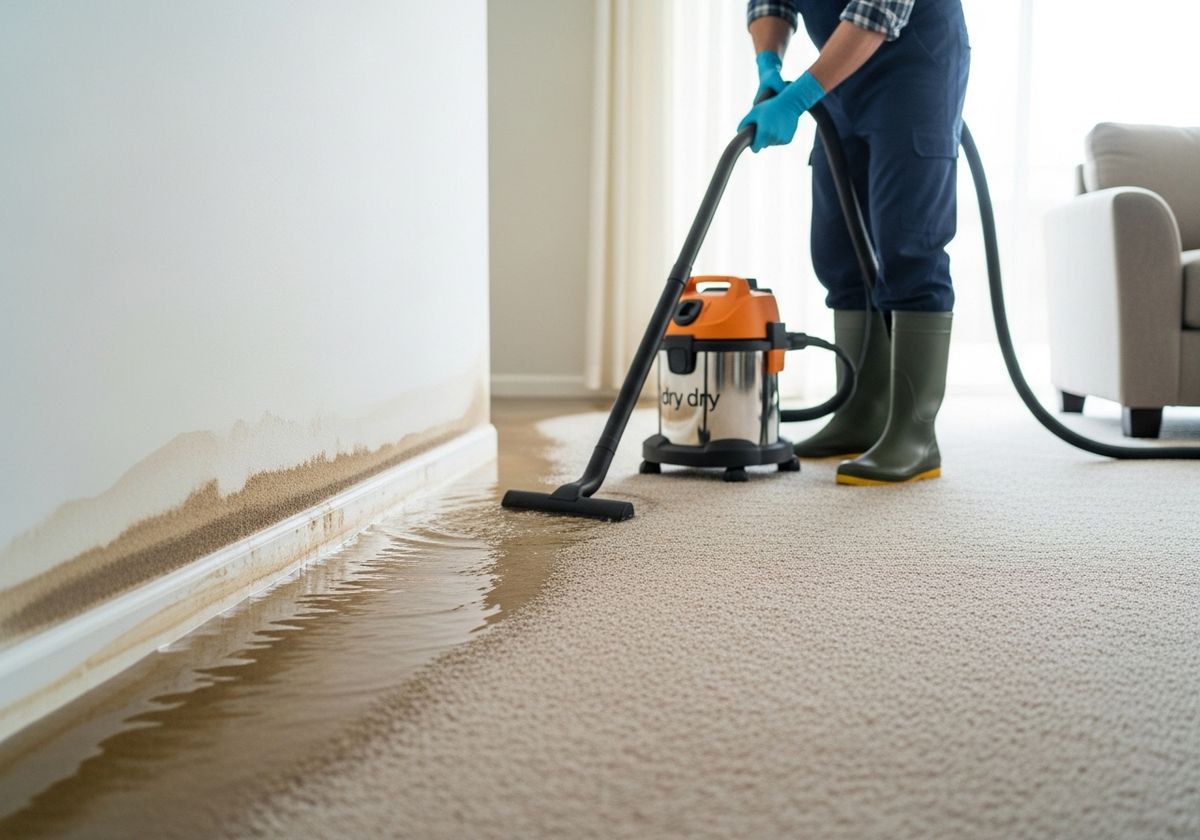
Water damage to your carpets can be a stressful experience. Whether it's from a burst pipe, a leaky appliance, or flooding, the aftermath can leave you wondering if your carpets can be saved. Understanding the process of carpet restoration can help you make informed decisions and potentially salvage your valuable flooring.
Immediate Actions After Water Damage
When faced with water-damaged carpets, quick action is crucial. The longer water sits, the higher the risk of mold growth and permanent damage. Here’s what you should do immediately:
Stop the Source: If possible, identify and stop the source of the water to prevent further damage.
Safety First: Avoid contact with standing water if electrical hazards are present. Turn off the electricity to the affected area.
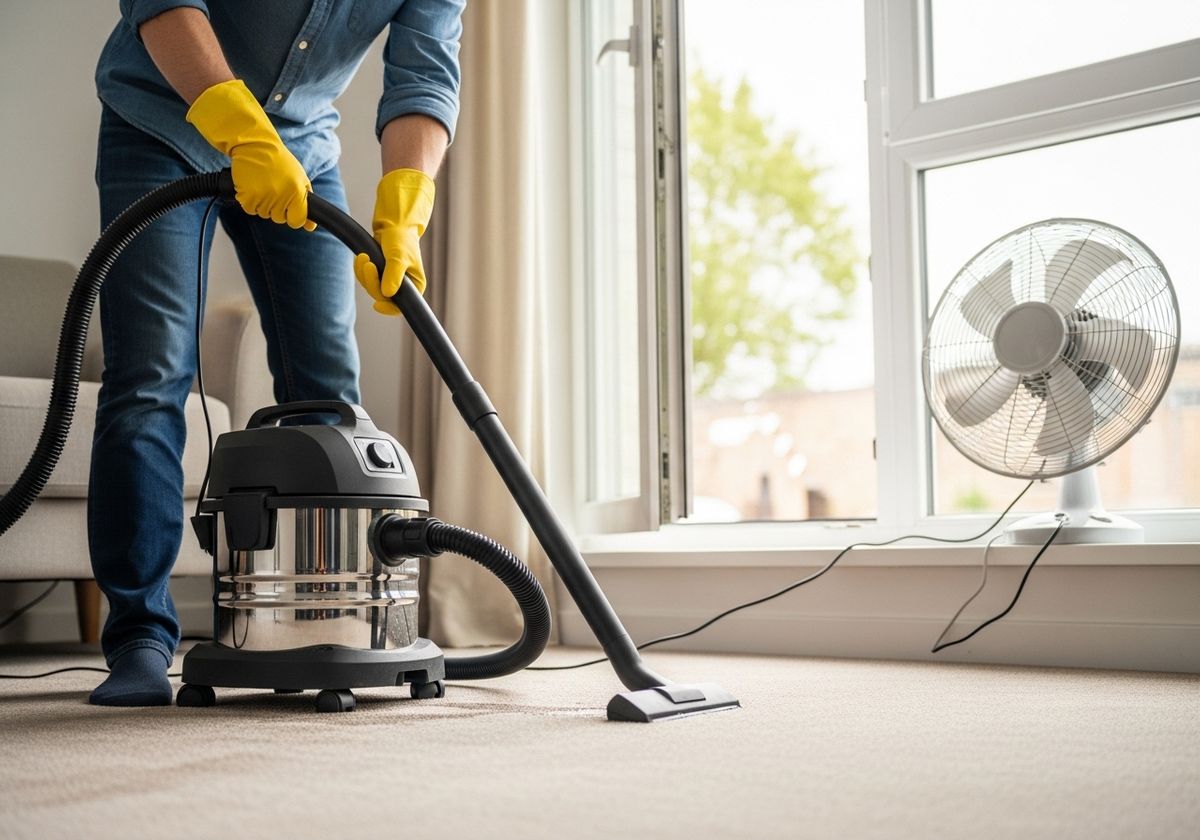
Remove Excess Water: Use a wet/dry vacuum to extract as much standing water as possible. You can also use towels to blot the area.
Improve Air Circulation: Open windows and use fans and dehumidifiers to promote drying.
The Carpet Restoration Process
Professional carpet restoration involves a multi-step process to ensure thorough cleaning and drying:
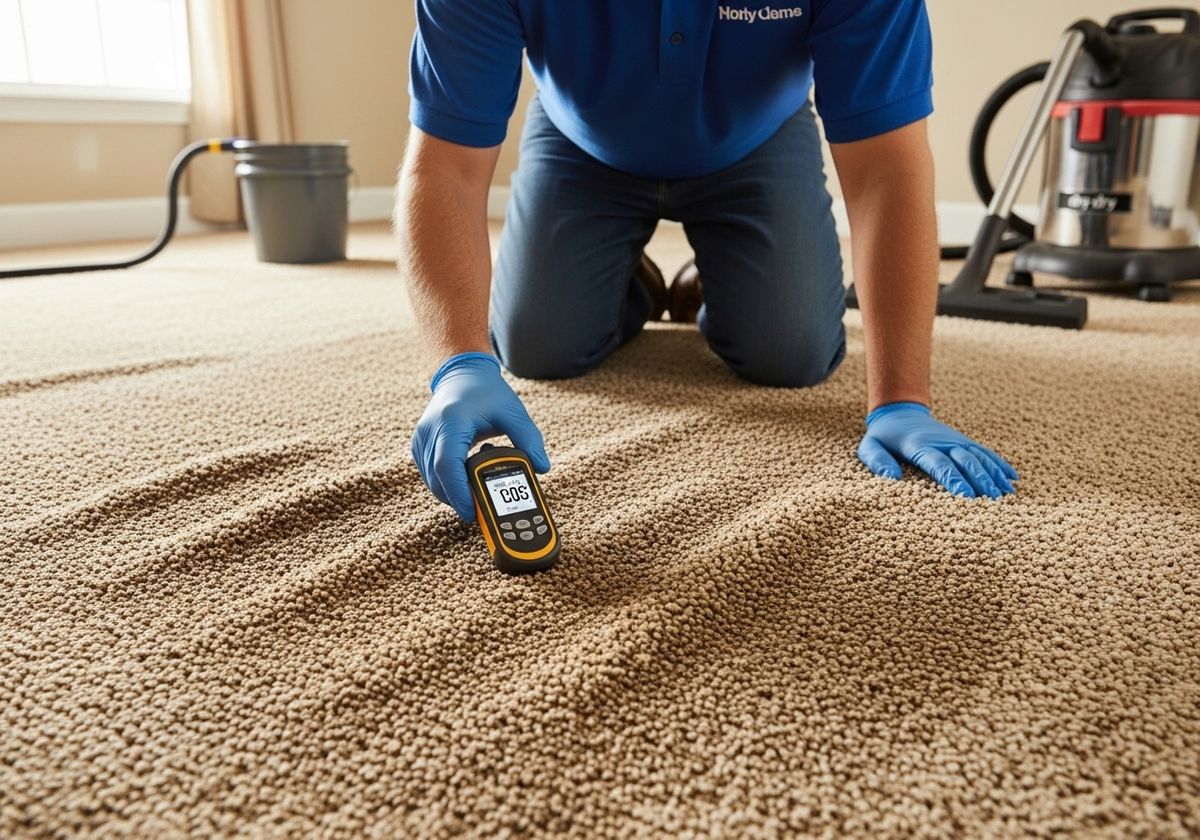
Assessment: A professional will assess the extent of the damage and determine the best course of action.
Water Extraction: Powerful, truck-mounted equipment is used to extract any remaining water from the carpet and padding.
Anti-Microbial Treatment: An anti-microbial solution is applied to prevent mold and mildew growth.
Drying: Industrial-strength air movers and dehumidifiers are strategically placed to dry the carpet and padding quickly and efficiently. This may involve lifting the carpet to dry the padding underneath.
Cleaning: Once dry, the carpet is thoroughly cleaned using professional-grade equipment and cleaning solutions. This step addresses any stains, odors, and residual dirt.
Carpet Restoration: Depending on the level of water damage, carpet restoration services can include services such as carpet stretching and carpet patching to restore the carpet to its original condition.
Can Your Water-Damaged Carpet Be Saved?
The feasibility of restoring water-damaged carpets depends on several factors:
Source of Water: Clean water (from a burst pipe) is less problematic than contaminated water (from sewage backups or flooding).
Timeframe: The longer the water sits, the lower the chances of successful restoration.
Carpet Type: Some carpet fibers and constructions are more resilient to water damage than others.
Extent of Damage: Carpets can be saved depending on the amount of damage and how quickly it is taken care of. Smaller damages are easier to handle, whereas carpets that have been drenched may require replacement.
In some cases, the damage may be too extensive, and replacement is the only option. A professional assessment is crucial to determine the best course of action.
Preventing Future Water Damage
While you can't always prevent water damage, here are some steps you can take to minimize the risk:
Regular Inspections: Check for leaks around plumbing fixtures, appliances, and your roof.
Maintain Appliances: Ensure your appliances are in good working order and replace hoses regularly.
Proper Drainage: Make sure your property has proper drainage to prevent water from pooling around the foundation.
Water damage to carpets can be a headache, but understanding the restoration process can empower you to take the right steps. Remember, acting quickly and seeking professional help are key to saving your carpets and preventing further damage. For over 50 years, A1 Carpet Care has been Southern California's trusted provider of residential carpet cleaning and carpet restoration services. Our experienced technicians use a proven process to thoroughly clean and restore your carpets, ensuring a healthy and beautiful home. We are Your Complete Cleaning Provider. If you're dealing with water-damaged carpets, contact us today for an assessment and let us help you restore your carpets and your peace of mind. Discover the A1 Carpet Care difference and experience our commitment to excellent service, value, and workmanship!